
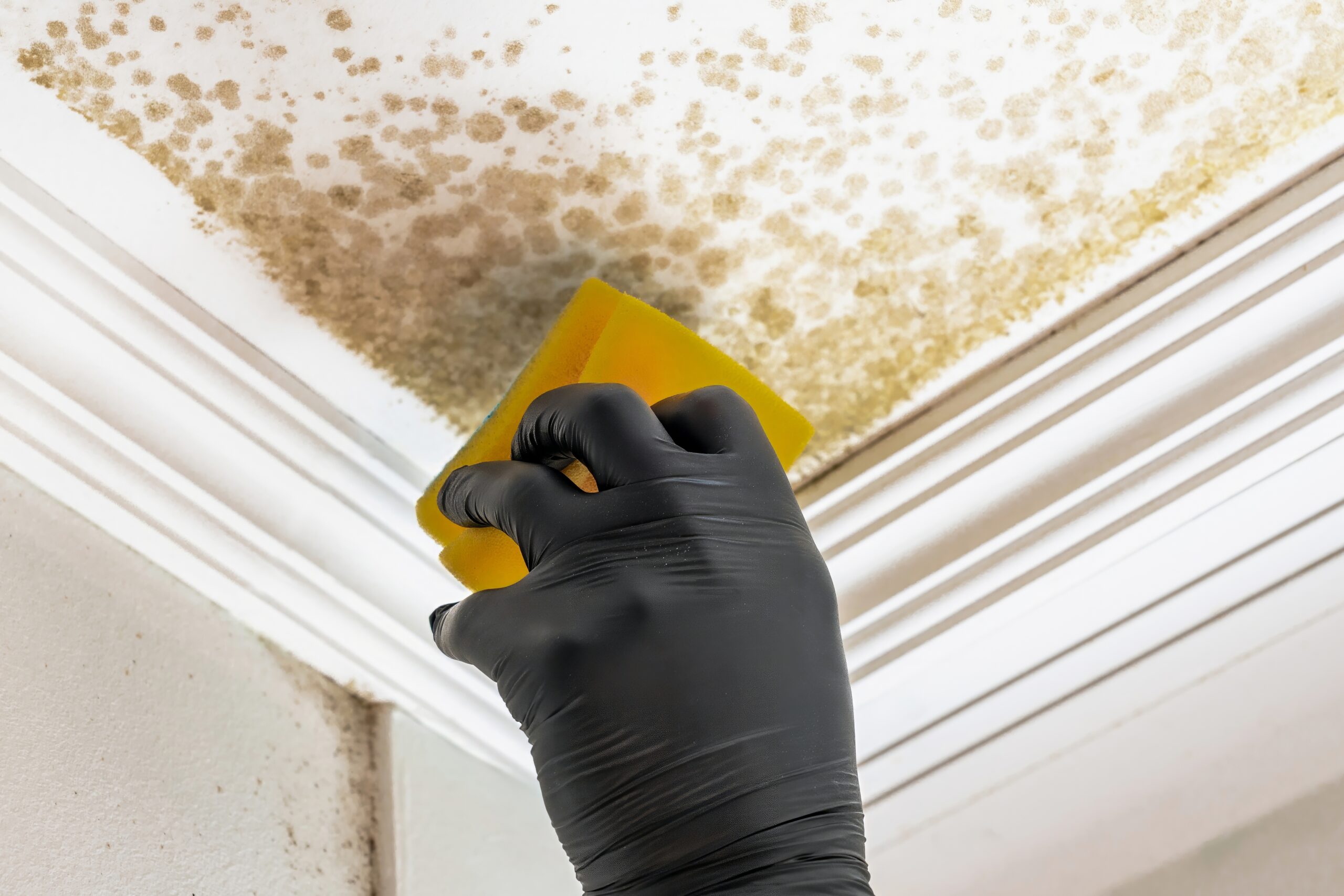
California — Were you hired to clean a house after a remodel? Were you asked to remove mold or clean up fire damage? That work may be covered by different workplace safety regulations than those that apply to routine house cleaning.
Many people don’t realize that a house cleaner may need the same workplace safety protections as a construction worker or a factory worker. However, many of the tasks performed inside a home can also pose a risk to health and safety.
Cleaning with harsh chemicals, using ladders, removing mold, or cleaning a home after a renovation can expose home workers to health and safety risks, as several studies have shown.
For years, house cleaners, nannies, and caregivers were not covered by California’s workplace health and safety laws, but that began to change on July 1, 2025, when SB 1350 took effect.
This law brings hundreds of thousands of domestic workers under the protection of California’s workplace health and safety laws. However, not everyone who performs domestic work is covered, as the law includes certain exceptions.
How to Know If This Law Protects You
The key is to answer these questions:
- Who hired you?
- What kind of work do you do?
If a cleaning company, a home care agency, or another business hires you to work in people’s homes, you are likely protected by these regulations.
Being covered by these regulations means that your employer must identify workplace hazards, provide training in a language you understand, and supply the necessary protective equipment, such as an N95 mask when the job requires it.
In addition, workers have the right to ask questions about hazards, request that unsafe conditions be corrected, refuse to perform work that could cause serious injury, and file a complaint with Cal/OSHA without fear of retaliation.
The official guidelines also include residential landscaping companies and so-called “route owners”—individuals who secure clients and organize a group of workers to serve different households—as covered employers. These are not necessarily large companies, but they do act as employers.
If a family hired you directly, the answer may be different
The law provides an exception for many people who work directly for a family performing routine household tasks, such as cleaning, cooking, or caring for children or the elderly. In those cases, the family that hired her generally does not have to comply with the obligations set forth in these workplace safety regulations.
That does not mean she loses other labor rights. Protections related to wages, working hours, and other labor laws remain in effect.
It doesn’t all depend on who hired you, but rather on the work you are asked to do.
The law distinguishes between routine household chores—such as cleaning the house, cooking, or caring for children or the elderly—and other jobs that may involve additional risks.
For example, cleaning a home after a renovation, removing mold, or cleaning up fire damage may be considered work distinct from routine household chores.
In such cases, even if you were hired directly by a family, the household may still be required to comply with California’s workplace safety standards. The determination depends on the circumstances of each case and the type of work performed.
What if you find work through an app?
The Cal/OSHA guide does not specifically address job-finding platforms or apps. If you work through one of these platforms and have questions about whether these regulations apply to your situation, you can contact Cal/OSHA or an employment attorney for guidance.
What if you clean an Airbnb or rental properties?
What matters isn’t whether the property is listed on Airbnb or another platform, but who hired you and what type of property you’re working at. If you provide services for a company that manages or cleans rental properties, that company is generally required to comply with Cal/OSHA’s workplace safety standards. Furthermore, properties intended to generate rental income are not exempt from these standards simply because they are residential.
What can you do if you have concerns?
If you identify an unsafe condition, Cal/OSHA recommends:
- Document it with photographs and notes
- Talk to your employer first, whenever possible
- Seek support from a trusted organization
- If the problem is not resolved, file a complaint with the agency. After receiving your complaint, Cal/OSHA may open an investigation.
The agency notes that these protections apply regardless of a worker’s immigration status. Additionally, during an investigation, you have the right to speak privately with an inspector and to have your information kept confidential.
Where can you seek help?
- California Division of Occupational Safety and Health (Cal/OSHA): You can ask questions about these regulations or file a complaint about unsafe conditions. Phone: 833-526-4636. You can also find the nearest office or file a complaint at: https://www.dir.ca.gov/asp/DoshZipSearch.html
- California Domestic Workers’ Coalition: Provides information on domestic workers’ rights and can guide you on what to do.
- Legal Aid at Work: Provides information and, in some cases, free legal advice for workers in California. Helpline: 415-864-8848.