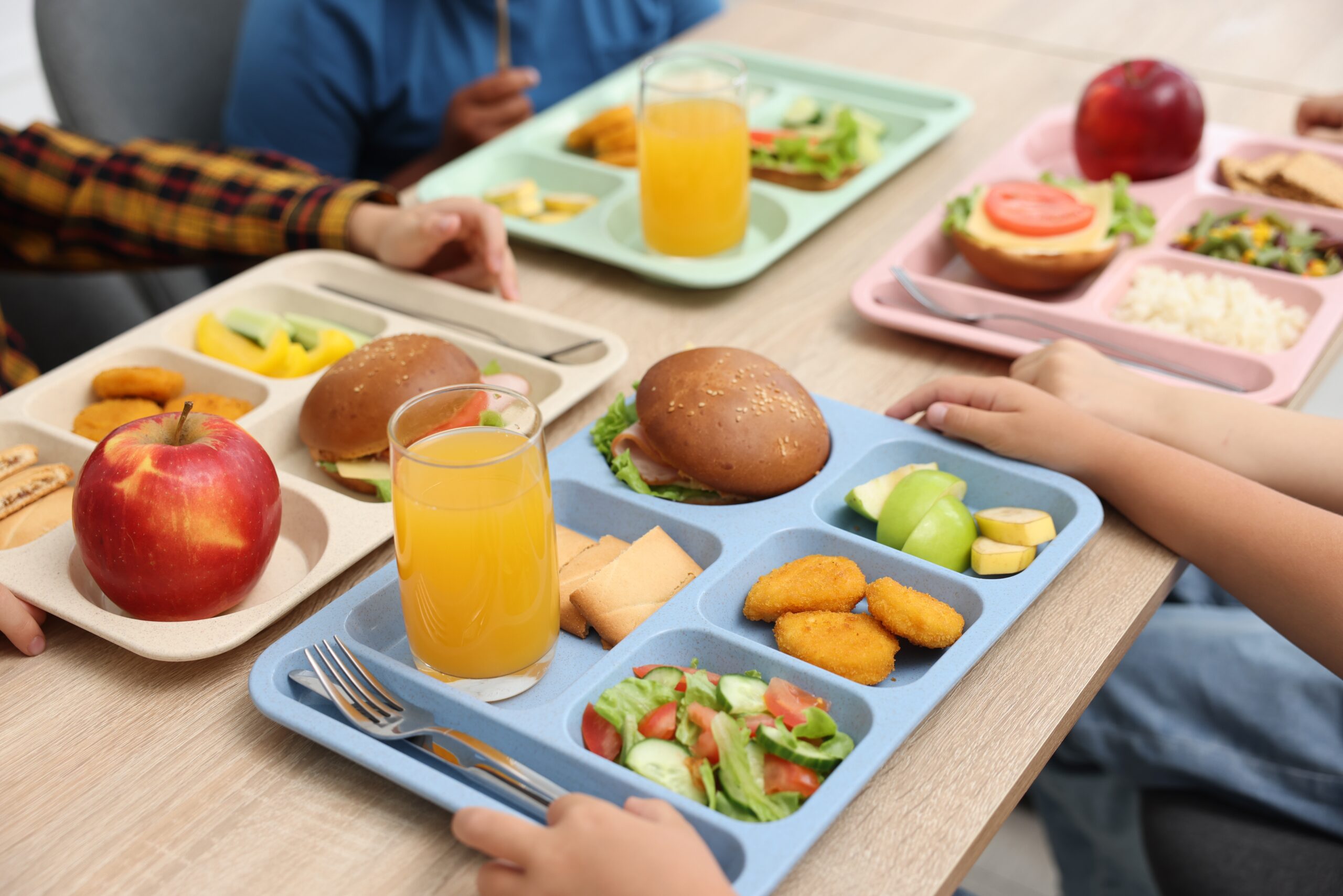
A new public charge rule will take effect on September 18, 2026, and allows immigration officials, in certain cases, to take into account school meals when evaluating immigration applications.
With the start of the new school year, you may be wondering whether your children receiving free or reduced-price breakfast or lunch at school could affect your immigration status.
The answer depends on several factors, including your immigration status and the application you have pending. The main recommendation from experts is not to stop receiving any benefits before consulting with an immigration attorney.
What Is a Public Charge?
A public charge is a statutory ground under which the U.S. government may determine that a person cannot be admitted to the country or cannot obtain permanent residence (a green card)—a condition known as a ground of inadmissibility.
Which immigration proceedings may be subject to the public charge rule?
In general, the rule applies to individuals who are applying for an immigrant visa to obtain permanent residence or who are applying for adjustment of status to obtain permanent residence within the United States.
For example, a person applying for permanent residence through a family-based process could be subject to this assessment.
In contrast, other immigration proceedings, such as applying for asylum, TPS, DACA, a work permit, or citizenship, are not subject to this ground of inadmissibility.
In addition, there are categories of individuals who are exempt from the public charge ground by law. For example, DHS notes that certain individuals applying for adjustment of status under specific programs—such as the Cuban Adjustment Act, HRIFA, and IRCA—are exempt.
If you are unsure whether your application is subject to the public charge rule, consult with an immigration attorney or an accredited representative before making a decision regarding your benefits.
What does the new rule say about school meals?
Effective September 18, 2026, officials at the Department of Homeland Security (DHS) will have greater discretion to consider certain public benefits when assessing public charge. Among these are school meal and summer feeding programs, which were previously excluded from the assessment.
However, this does not mean that anyone who receives school meals will be considered a public charge.
Participation in a program is only one of the factors that may be considered in the assessment. Officials must continue to evaluate each case individually, taking into account the applicant’s full set of circumstances—not just whether they receive any public assistance.
Can my child continue to receive school meals?
The new public charge rule does not change the rules determining who is eligible for school meals; it is the schools that determine eligibility in accordance with the rules of these programs.
In addition, some schools participate in the Community Eligibility Provision (CEP), which allows schools that meet certain requirements to offer free meals to all their students without requiring each family to submit an individual application.
Therefore, if your child needs school breakfast or lunch, ask the school or school district directly which programs are available and whether you need to submit an application.
What can you do if you have questions?
Legal experts and advocacy organizations advise against making a decision based solely on fear of being deemed a public charge. If your family needs this support:
- Seek advice: Before making any decision, consult an immigration attorney or accredited representative to determine whether the public charge rule applies to your situation
- Ask the school: Find out which breakfast and lunch programs are available and whether you need to submit an application. Some schools offer free meals to all students.
- If you have an immigration proceeding, identify which one it is: The key question is whether you are applying for admission as an immigrant or for adjustment of status to obtain permanent residence, or whether you fall under an exempt category.
What about benefits you received before September 18?
The new rule applies to applications for admission filed on or after September 18, 2026, and to applications for adjustment of status that are mailed or filed electronically on or after that date.
Three things to remember:
- School meals are still available, and the new rule does not change who can apply for or receive them.
- The public charge rule does not apply to all immigrants or all immigration proceedings.
- Starting September 18, 2026, school meals and certain summer feeding programs may be considered as part of the public charge assessment in cases where this rule does apply.
- If you are applying for permanent residence or an immigrant visa and are concerned about the impact of the benefits your family receives, seek immigration advice before deciding whether to stop using a program you need.
For detailed information, see:
- New Public Charge Rule: What You Need to Know About Receiving Public Benefits
- A Practical Guide to Finding Reliable Immigration Attorneys