
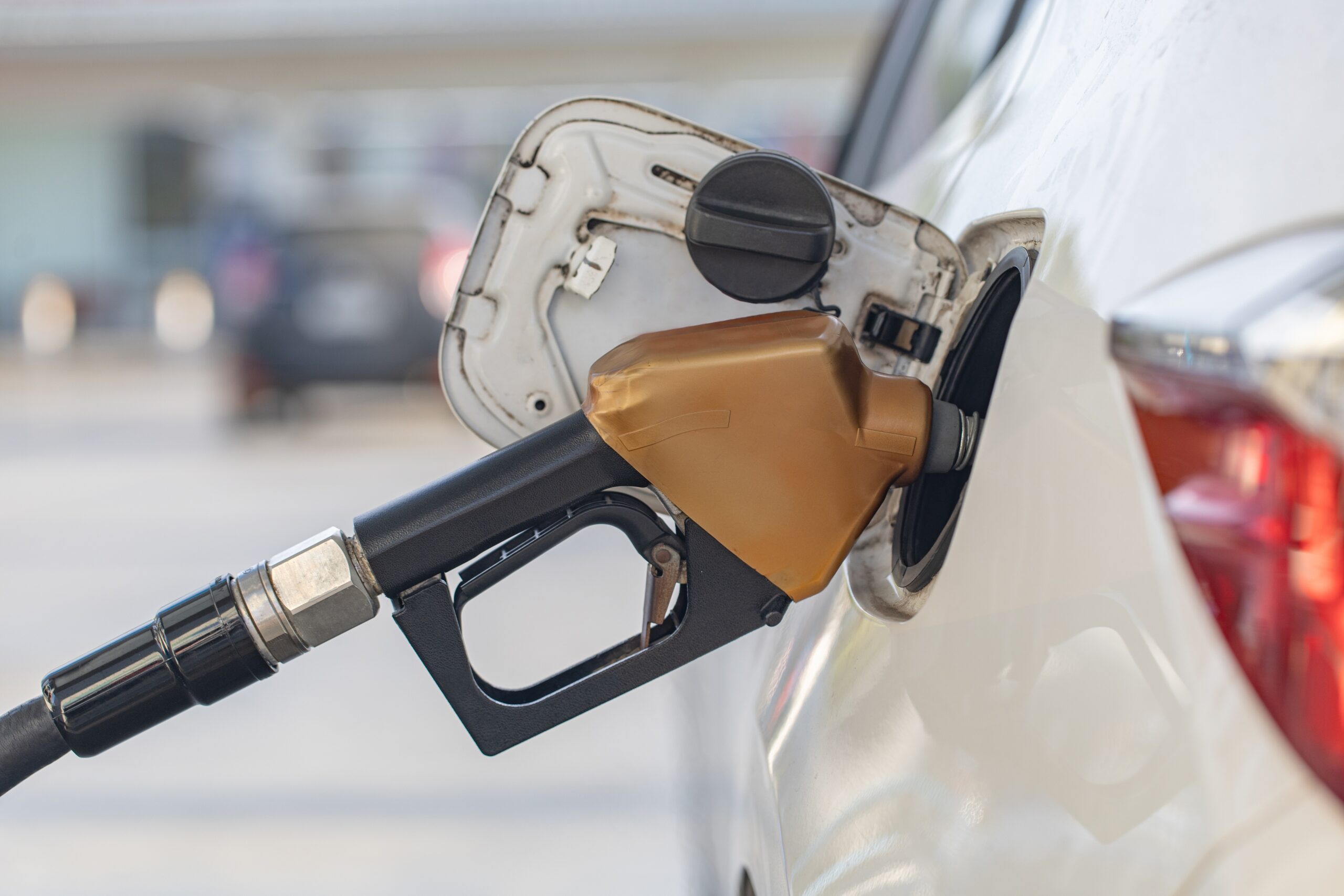
The recent sharp rise in gas prices from February to March is hitting domestic workers in the United States in the pocket. Rising costs for cleaning supplies and the fuel needed to get around by car are cutting into their income.
From February to March, the price of regular gasoline rose by 25%, the highest percentage increase since the Energy Information Administration began tracking changes in fuel prices in 1990, according to The New York Times.
The higher price is due to the United States-Israeli war against Iran, one of the world’s leading oil exporters. Although President Donald Trump declared a two-week ceasefire in March, the average price of fuel will remain at $4 per gallon throughout April, according to the financial newspaper The Wall Street Journal.
How are gas price hikes affecting domestic workers?
Addy Cazorla, who works in both Oregon and Washington, says that in her 25 years as a domestic worker, this is the first time she’s felt that rising gas prices are hurting her.
Before gas prices rose, she would fill up her car’s tank for $60 once a week; now she says she’s spending nearly $200 a week since she has to go to the gas station twice a week.
“Unfortunately, those homes aren’t right next to each other. There are days when I have to go to one house in Oregon and another in Washington, an hour away. Before this, what they paid us was barely enough; now I feel like it’s not worth it,” she told the National Domestic Workers Alliance (NDWA).
The average price of regular gasoline in Oregon skyrocketed to $4.90 on average in the last week of March, nearly a dollar higher than the national average, according to the American Automobile Association (AAA).
With the rise in gas prices, Cazorla, 51, has had to stop taking on new clients.
“Before, after cleaning three houses in a day, [a new client] would call me at the last minute to ask me to clean their place. I used to travel from city to city. Now I have to think very carefully because I’m going to spend money on gas, and maybe what they’re offering to pay me won’t be worth it,” she explains.
Avelina Hernández, 44, is facing the same situation; she has been cleaning houses with her husband for eight years.
She says that on an average day, the two of them can clean four houses and spend $60 on gas, as they travel from Vancouver, Washington, to various locations in Oregon. She says they’ve felt the price change since mid-March.
“I’ve thought about quitting house cleaning, but my husband tells me not to because even under these conditions, we do make a little money,” she told NDWA.
Creative Solutions to Rising Gas Prices
Cazorla explained that she raised her cleaning service rates by 20%, but some of her clients—as well as the agency that arranges her housekeeping jobs—refused to pay the increase.
“I do have clients that I’m close to and have been working with for a long time who did accept the increase. But clients who aren’t regulars didn’t. One of them didn’t like that I raised the price, and made it clear that it wasn’t his problem,” she said.
Hernández’s clients also refused to pay a higher rate. “They told me they couldn’t pay me more, and I decided to accept so I wouldn’t lose the client,” she said.
In this regard, Cazorla explained that she and other women who clean houses have started collecting cans they find while working to sell them and earn money to pay for gas.
They are also planning to organize a carpool to ride together in a single car to the homes where they work.
“We had already discussed carpooling before the price increase because, since immigration officers are out in the streets, this is a way for all of us to feel safe,” she said.