Did you know that with a library card, you can get free admission to a museum, take English classes, and even borrow a sewing machine?
Many people still think that libraries are only for reading books. But today, these platforms are used to distribute free resources that are extremely useful for families.
In addition to lending books, libraries can help you look for a job, access the internet, find activities for your children, and even save money on entertainment.
A 2023 report on the role of public libraries in technology access and digital inclusion notes that:
- 95.3% offer training in digital skills.
- 95% offer e-books or audiobooks.
- 46.9% lend out devices for wireless Internet access.
- About 40% have creative spaces (makerspaces).
- Nearly one-third have digital literacy programs.
Much More Than Just a Place to Borrow Books
Although books remain the most commonly used resource, with a library card, many people can download e-books and audiobooks for free from apps like Libby or Hoopla, as long as their library has a partnership with these services.
It’s a good option for people who spend a lot of time driving or working and prefer to listen to a book or a podcast while doing other things.
Computers, Internet, and Support for Navigating the Digital World
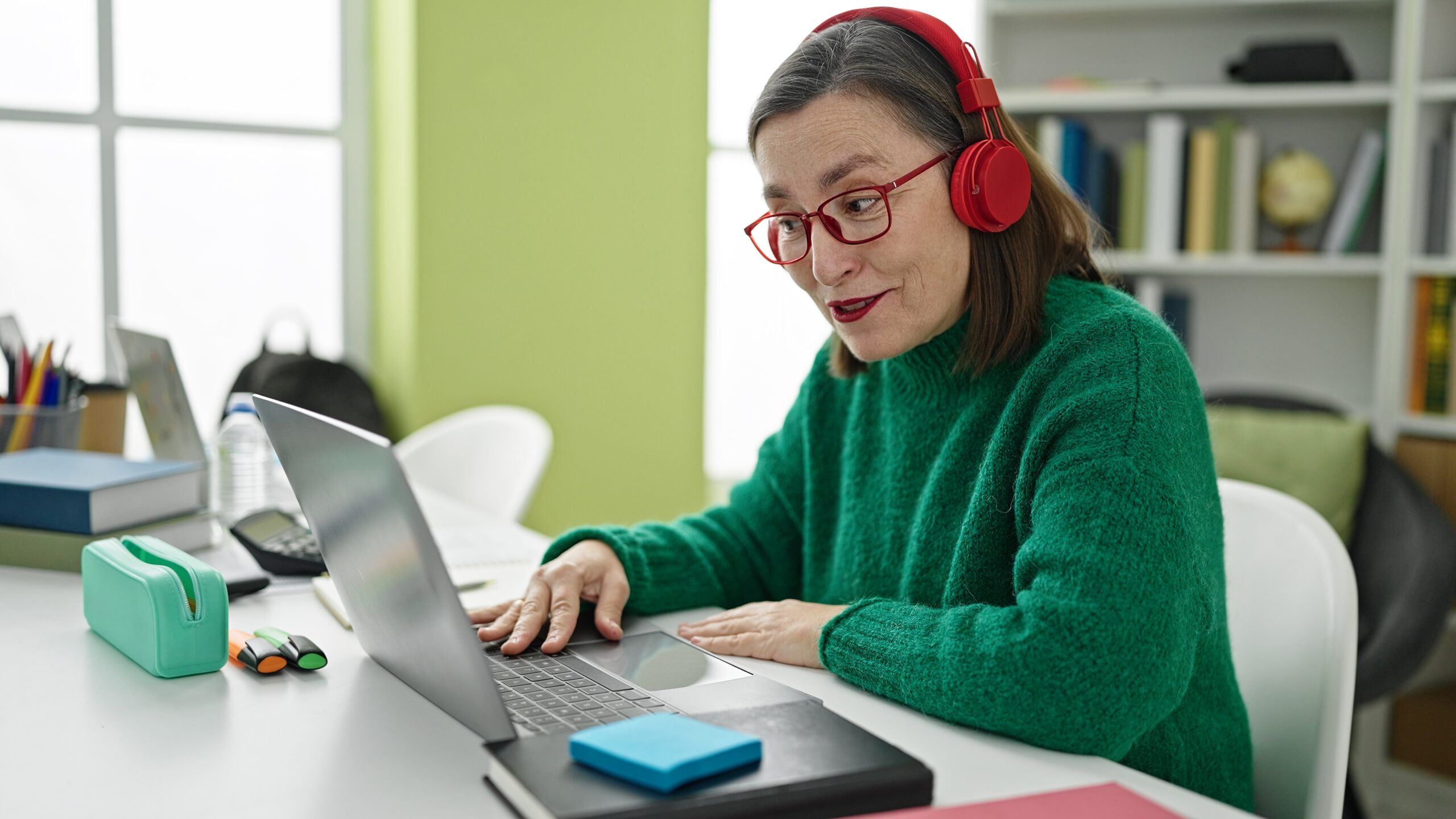
In many libraries, you’ll find computers with Internet access and free Wi-Fi. Some also offer printing, scanning, or faxing services, although these services may incur a small fee, depending on the library. The Denver Public Library, for example, offers these services at all of its branches.
In addition, it is common to find workshops where people can learn basic digital skills, ranging from creating an email account to using office software or completing administrative tasks online.
An Ally for Those who Want to Learn English
Depending on your city, you may be able to find English classes, conversation groups, or materials for self-study.
Some libraries also partner with community organizations that offer citizenship test preparation or workshops on how to access various local resources.
Some Libraries Offer Free One-on-One Tutoring Sessions
In addition to classes and workshops, some libraries offer free, one-on-one tutoring for adults. These programs are designed for people who want to improve their reading, writing, basic math, or English skills but prefer to learn at their own pace with the help of a tutor.
For example, the Sacramento Public Library, in California, connects students with trained volunteers who work one-on-one with them to help them achieve their goals, whether that means reading more easily, writing better, or communicating more confidently in English.
These types of programs aren’t available at every library, but more and more libraries are offering in-person or online tutoring. If you want to improve a particular skill, it’s worth asking if your library offers a similar program or can refer you to one in your community.
A Place Where Your Children Can Learn, Too
Storytime, book clubs, arts and crafts, summer activities, and homework areas are all part of the programming at many public libraries.
For many families, these activities provide free access to educational and recreational spaces. In addition, they can help children develop a love of reading, practice English in an everyday setting, and interact with other children in their community.
Loaning out Items, Tools, and even Seeds
Many libraries across the country lend out laptops and wireless internet access devices known as hotspots, so that people can connect from home or other locations without internet access. It is also possible to borrow musical instruments, board games, or tools.
At the New York Public Library, for example, there are educational kits and other materials that can be borrowed to help you learn new skills.
The Sacramento Public Library lends out everything from home and garden tools to musical instruments, photography equipment, and sewing machines—among hundreds of other items—through its “Library of Things” program.
The Pima County Public Library in Arizona, offers seeds so that people can grow their own gardens.
Not all libraries offer the same items, but more and more are creating these types of collections to meet the needs of their communities.
You Can Save Money on Entertainment
Libraries can also be a gateway to exploring the city where you live. Some offer free admission to museums, botanical gardens, and other cultural venues.
For example, the Culture Pass program, available at several libraries in New York, allows you to reserve free tickets to participating museums, botanical gardens, and other cultural institutions.
If you have children or are looking for weekend activities, it’s worth asking if your library offers a similar program.
Do You Need to Be a Citizen or Speak English?
In most cases, you do not need to be a U.S. citizen or prove a specific immigration status to enter a public library or apply for a library card, as long as you meet the residency requirements set by that library system.
In addition, many libraries have collections of books in Spanish and employ bilingual staff or provide access to interpretation services.
How Do I Get a Card?
There is no single rule that applies nationwide, as each library system sets its own requirements.
In most cases, the library card is free for those who live, work, or study within that library’s service area.
You will generally be asked to provide identification and proof of address. If you don’t have a driver’s license, ask what other documents they accept. Many libraries accept passports, municipal ID cards, or other forms of identification, although requirements vary by city.
However, it’s important to know that you don’t need a library card to enter a library. At many libraries, you can read, attend activities, use certain spaces, or ask for information without registering.
If you want to find out what resources are available in your community, visit your nearest public library and ask the staff what programs or services they offer. You can also search Google for “libraries near me” or type in the name of your city or ZIP code along with the word “library” to find the one closest to you.
Editor’s note: This article was originally written in Spanish and translated into English by Tilde Language Justice Cooperative