
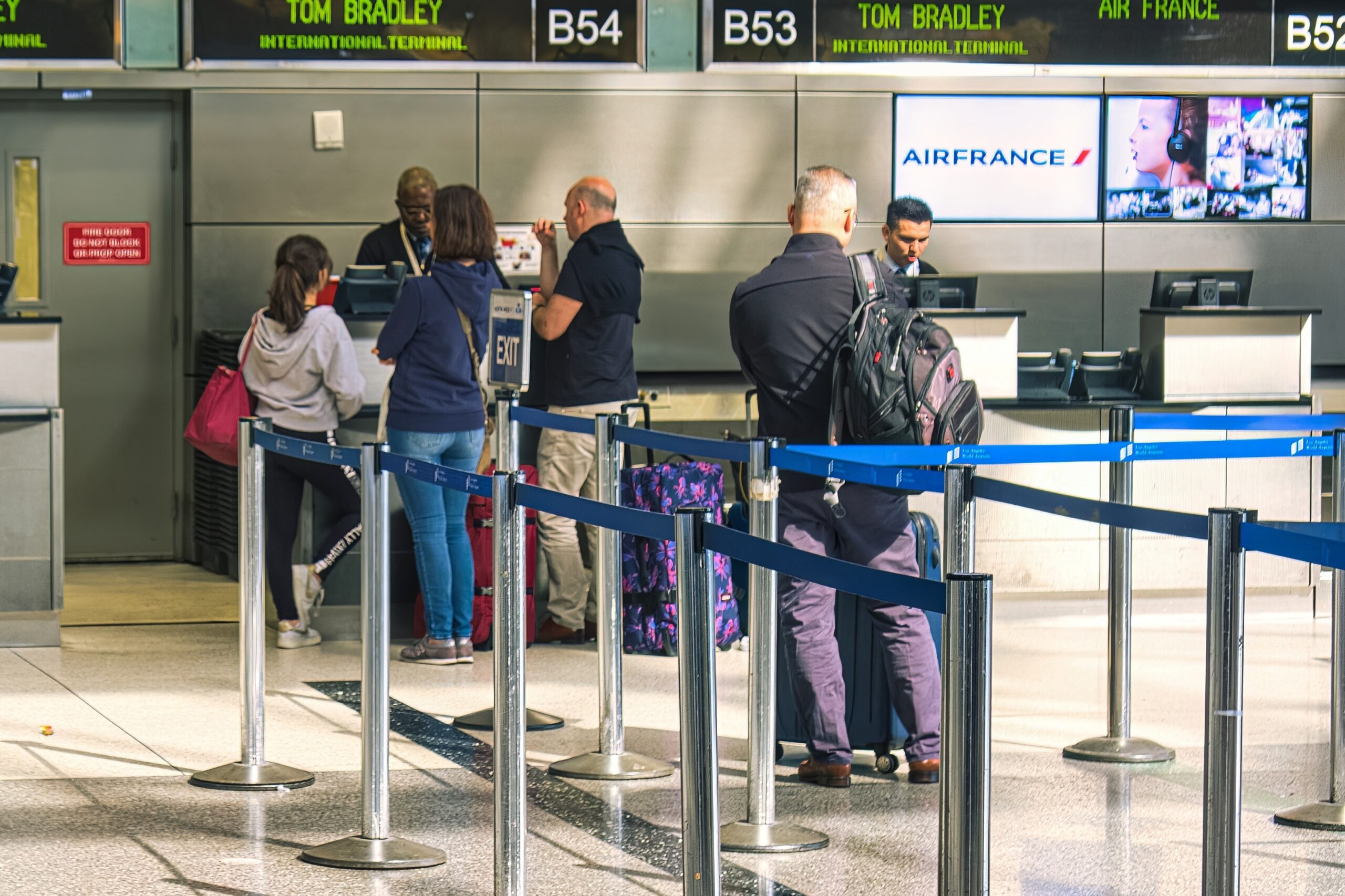
In recent weeks, several cases have come to light of people detained by Immigration and Customs Enforcement (ICE) agents at airports in various states as they were preparing to board domestic flights.
Among them are individuals with pending asylum and permanent residency applications, work permits, and beneficiaries of temporary immigration programs.
Immigration attorneys interviewed by various media outlets say that this type of operation was rare on domestic flights. Although ICE has not released official figures, an internal document obtained by ABC News indicates that at least 27 people were arrested using this strategy at airports in nine states.
Reported Cases
Among the documented cases is that of Claudia Carolina Rodríguez, a 28-year-old Venezuelan woman who was detained on July 17 at the Fort Lauderdale airport as she was about to board a domestic flight. Her family stated that she had a pending asylum application and had previously held Temporary Protected Status (TPS). Rodriguez was released on August 3 after three weeks in detention.
Another case involves a woman with a pending application for permanent residence (green card), who was detained by ICE upon arrival at San Francisco International Airport while traveling to visit a friend.
In Boston, Maria Rosales, a DACA recipient, and David Ardila, a Venezuelan with a pending asylum application, were arrested. Rosales was later released by a court order.
Cases have also been documented at airports in San Francisco, Denver, Las Vegas, and Nashville, in addition to others reported in California and Arizona.
Furthermore, several arrests have been reported at airports in California and Arizona, as well as at airports in Denver, Nashville, and Las Vegas.
What Explains These Arrests?
In several of the publicly documented cases, the Department of Homeland Security (DHS) stated that the individuals had remained in the United States after their authorized period of stay had expired or that they did not have valid immigration status.
However, several of the detainees had pending immigration proceedings, such as asylum applications, DACA renewals, or other pending petitions. In some of those cases, DHS argued that those proceedings or a work permit did not mean that the individual had valid immigration status.
Documents obtained by ABC News also indicate that ICE is using information related to air travel to track down certain passengers.
According to attorneys interviewed by various media outlets, agents have made arrests at check-in counters, security checkpoints, boarding gates, and even after passengers have landed.
Who Could Be Facing a Greater Risk?
The known cases involve people with different immigration statuses. So far, there is no evidence that all individuals with pending immigration proceedings are being detained at airports.
However, immigration attorneys recommend consulting with a professional before traveling if you have an expired visa, a deportation order, expired TPS, or questions about your current immigration status.
Recommendations Before You Travel
- Verify Your Immigration Status. If you have questions about your status or how a pending proceeding might affect your case, consult an attorney before traveling.
- Bring Any Documents Related to Your Case. If you have an ongoing immigration case, travel with copies of documents such as your work permit (EAD), USCIS receipts, or other relevant documents, as well as a form of identification accepted by the TSA.
- Prepare an Emergency Plan. Memorize the phone number of a lawyer or a trusted family member, and leave instructions on who could help you and your family if you are detained.
If an ICE Agent Stops You
- You have the right to remain silent, to refuse to sign any documents you do not understand, and to request to speak with an attorney. If you need assistance in another language, ask for an interpreter before answering any questions.
- If the authorities confiscate your phone or other device, ask for a receipt and, if possible, write down the officer’s name or badge number and the agency to which they belong.
Every immigration case is different. If you have questions about how your situation might affect travel within the United States, seek legal advice before boarding a flight.
To find a reliable attorney, we recommend reading our article: A Practical Guide to Finding Reliable Immigration Attorneys
Note: This article is not intended to provide legal advice. It is recommended that you seek legal advice from a legal professional.
Editor’s note: This article was originally written in Spanish and translated into English by Tilde Language Justice Cooperative